
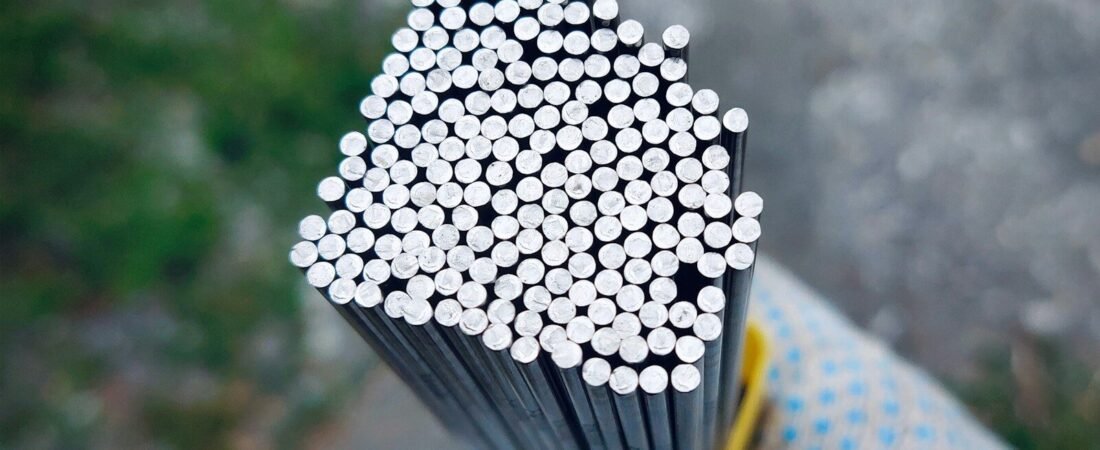
An AI model built by XtalPi and Fangda Carbon has entered production at a graphite electrode plant, the two companies said on 2 October. It screens raw-material formulations before anyone runs a physical trial. The XtalPi Fangda Carbon project is the first module of a broader formulation-optimisation system. It also marks a quiet shift: AI for Science is moving out of the lab and onto the shop floor.
What the XtalPi Fangda Carbon model actually does
The model ranks formulation candidates before they are tested. For a fixed set of raw materials, it calculates blend proportions that cut costs while meeting quality requirements. When supply or pricing shifts, it evaluates substitute inputs and recommends adjustments.
The design is deliberate. Fangda Carbon contributed six decades of production data. XtalPi structured that data, built predictive features, and combined forecasting, optimisation algorithms and expert rules into a single system.
The result is a “compute first, verify later” workflow. The AI narrows the field. Human experts still make the final call through experimental or production validation.
Why graphite electrodes are hard to optimise
Graphite electrodes carry the huge currents that electric arc furnaces need to make steel. Their conductivity and strength depend on complex interactions between raw materials, blend ratios and manufacturing conditions.
Those inputs vary by supplier and batch. So formulations must be reassessed whenever material changes. Price volatility and supply disruption make fast, accurate substitution a commercial necessity.
The industry is under pressure. Chinese graphite electrode output has been flat to falling, capacity is oversupplied, and price competition has squeezed margins. The first half of 2026 brought a further twist. Rising petroleum coke prices pushed electrode prices up, while geopolitical tension cut Chinese export volumes.
XtalPi’s pivot beyond drug discovery
XtalPi is best known for drug discovery. Founded in 2015 by three MIT physicists, it pairs quantum physics, AI and robotic laboratories into what it calls AI for Science. It listed in Hong Kong in 2024.
The company is now pushing that platform into materials. It is working with JinkoSolar on perovskite tandem solar cells and has expanded into polymer composites. Executives frame the move as reusing proven drug-discovery capabilities in industrial settings.
The commercial logic is clear. XtalPi is loss-making — it guided to a net loss of RMB 215–275 million for the first half of 2026 — and its revenue fell year on year against a high base. Its AI-for-Science solutions business, though, grew more than 120%. Industrial materials are the next market it wants to open.
Fangda Carbon’s home advantage
Fangda Carbon is a serious partner. It has made carbon products for more than 60 years and is one of the world’s largest producers of graphite electrodes. Its capacity runs near 190,000 tonnes, and it sells into more than 60 countries.
The company is profitable and growing. In the first half of 2026 its revenue rose about 17% year on year, and net profit more than tripled. It is also exposed to the industry’s swings, which is precisely why cost optimisation matters.
The bigger picture: AI on the shop floor
The deployment fits a wider pattern. Industrial AI is moving from pilot projects into routine use across materials and process manufacturing.
NIST published a 2026 roadmap on AI and machine learning for smart manufacturing. Citrine Informatics reports two- to nine-fold cuts in experimental effort from its sequential-learning platform. Autonomous pilot-scale labs are compressing development timelines from months to weeks. In September 2026, SiC Systems and CarbonLume announced a multi-agent AI system for designing methane-to-hydrogen plants.
The XtalPi Fangda Carbon deployment is a piece of that story. Its pitch is that complex materials science can be turned into predictable margin for physical manufacturers.
What to watch
Three markers will show whether this deployment is more than a milestone announcement.
First, the numbers. The release cites targets for predictive accuracy and cost optimisation but discloses no figures. Watch for quantified savings.
Second, the rollout. The model is one module. The real test is whether formulation design and process optimisation follow, and whether they replicate the results.
Third, the reuse. XtalPi plans to adapt the infrastructure to graphene and carbon nanotubes. If it can, the platform becomes a template. If it cannot, this stays a single project.
For now, the two companies have moved AI from the whiteboard to the production line. The question is how much it saves.
Editor’s Note
Sources: XtalPi’s release of 2 October 2026 and the accompanying Chinese-language announcement, plus XtalPi Holdings’ Hong Kong Stock Exchange filings and 2026 interim results, and Fangda Carbon’s 2026 half-year report. Market and industry context is from graphite electrode sector reporting and company disclosures. Broader context on industrial AI is from NIST’s 2026 roadmap on AI and machine learning for smart manufacturing, Citrine Informatics’ platform paper, autonomous-lab research, and SiC Systems’ September 2026 announcement. The model’s acceptance, accuracy and cost-optimisation targets are as stated by XtalPi and Fangda Carbon; TechRecast has not independently verified the results, and the companies disclosed no quantified savings.