
A dialogue in New Delhi has put India’s power distribution and infrastructure challenges in focus. “RE: DIALOGUES 2026: Powering a Developed India,” convened by Policy Perspectives Foundation and Orange Circle Energy on 14 October, brought together energy-sector participants around four priorities: electricity demand, transmission and distribution infrastructure, regulatory stability, and the economics of power generation. The theme running through it was that India must look beyond how much power it can generate to how reliably and affordably it can deliver it. The convenors announced no commitments or new data.
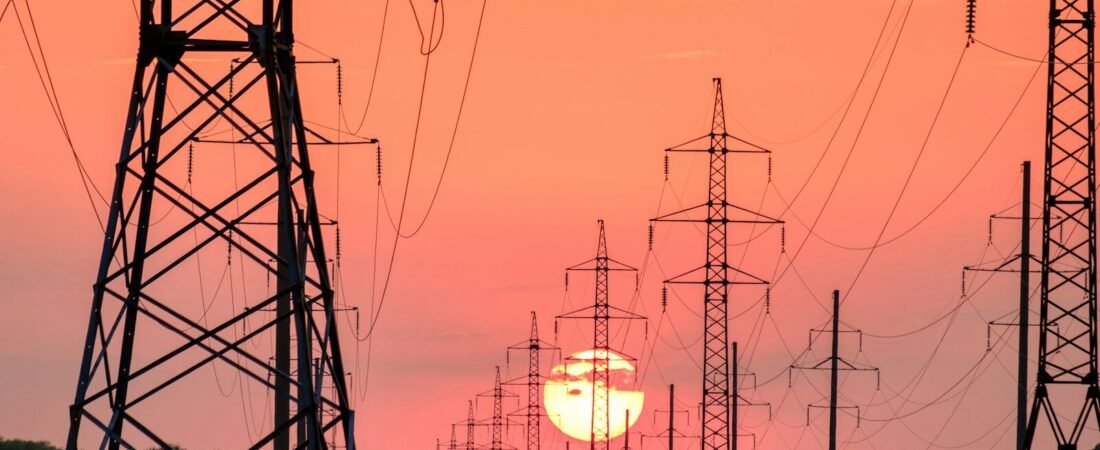
The framing is sound, because power transmission is where India’s system binds. The country has added generation capacity quickly — including a record 64,695 MW in 2025-26, more than 50 GW of it renewables — but the network that carries that power has not kept pace. “Transmission infrastructure takes time to build, and generation and consumption centres are not always in the same locations,” said Nikesh Sinha, founder of Orange Circle Energy, in the release. That is a technical point with large financial consequences.
The gap, in numbers
The National Electricity Plan (Transmission), notified in 2024, sets out the scale of the task. It targets expanding the power transmission network from about 5.09 lakh circuit kilometres as of June 2026 to 6.48 lakh ckm by 2032, raising transformation capacity from 1,478 GVA to 2,345 GVA and inter-regional transfer capacity from 120 GW to 168 GW, to meet a peak-demand projection of 458 GW by 2032. The plan’s total cost is about ₹9.16 lakh crore, and it accounts for newer load categories such as data centres and electric mobility.
Delivery, though, lags the plan. In FY25, transmission-line additions reached 8,830 ckm against a target of 15,253 ckm — roughly 42% below target. Only about 12% of projects awarded through tariff-based competitive bidding met their scheduled commissioning date, with a median delay of more than ten months. The recurring causes are unglamorous: right-of-way acquisition, land and forest clearances, and equipment availability, with India still import-dependent for critical materials such as CRGO steel and HVDC systems.
Why it matters
The cost shows up as curtailment. Grid-security constraints curtailed more than 23 GW of renewable capacity nationally between May and November 2025, and one estimate puts over 35 GW at risk of curtailment in FY27 because of limited long-term transmission access. In Rajasthan, curtailment has reached as high as 51.5% during solar hours. Rating agencies now treat curtailment and evacuation risk as material inputs to project ratings — the mechanism by which an engineering constraint becomes a financing problem and slows the very build-out the country wants.
Demand is rising at the same time. India’s per-capita consumption reached 1,460 kWh in FY25, up 52.6% from 957 kWh in 2013-14, and the draft National Electricity Policy targets 2,000 kWh by 2030 and 4,000+ kWh by 2047. The IEA expects India’s demand to grow about 6.4% a year to 2030. The dialogue’s participants reached the same conclusion: planning must anticipate where demand will emerge, align transmission with generation, and consider decentralised solutions — a point echoed by Bhupinder Bhalla, former Secretary of the Ministry of New and Renewable Energy, who called for the Centre and states to work together.
What to watch
Three things will show whether the diagnosis turns into delivery. First, whether annual power transmission additions close the gap to the roughly 20,000 circuit kilometres a year the plan requires, after several years of missing targets. Second, whether right-of-way and clearance reforms — including revised compensation guidelines linked to market land values — reduce the delays that have pushed projects months or years past schedule. Third, whether curtailment falls as new corridors come online, since it is the clearest measure of whether the grid is keeping up with the renewables built behind it.
What the convening does and doesn’t establish
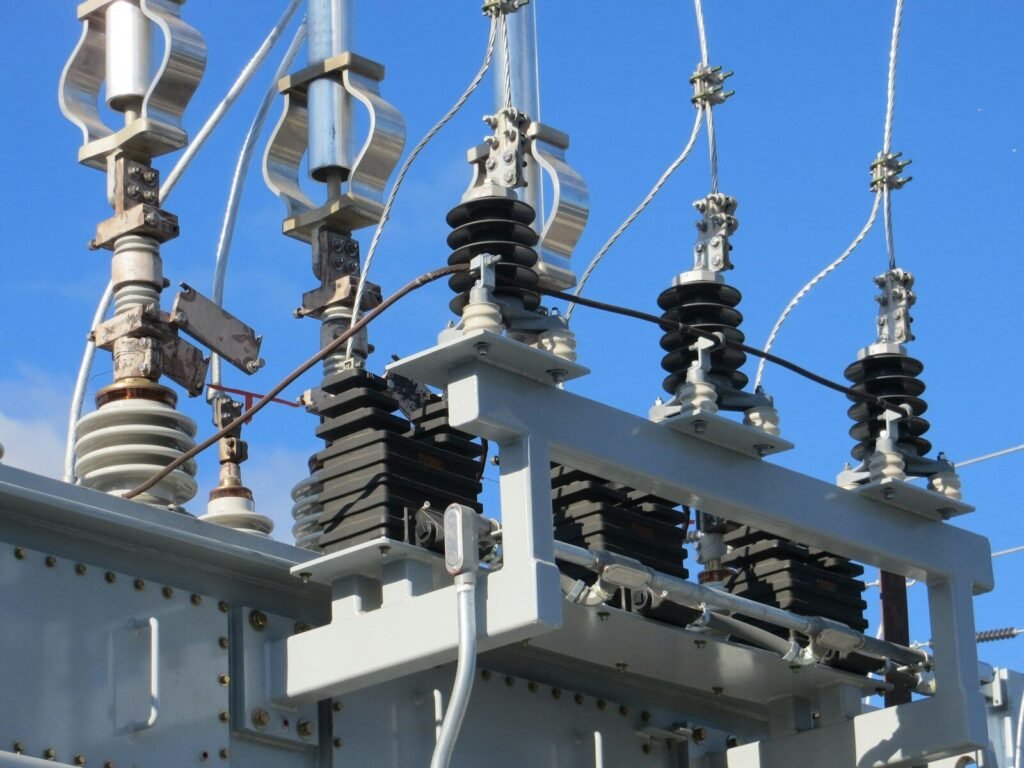
It establishes that researchers, officials and industry participants convened around the power transmission and distribution challenge, and that the “beyond generation” framing has wide support. It does not establish any new data, commitment or policy change, and it is worth noting that Orange Circle Energy, one of the convenors, is a solar company with a commercial interest in the sector’s direction.
The honest summary is that this is a dialogue whose value lies in the topic rather than the event. India’s power problem is no longer principally about generating electricity; it is about moving it, and the numbers make the case plainly — a plan costing ₹9.16 lakh crore, annual additions falling well short of target, and curtailment high enough to affect the returns that finance the next round of renewable capacity. The convening restated a well-documented problem. Whether India solves it depends on execution, and the unglamorous work of land, clearances and steel.
Editor’s Note: This article draws on the PPF/Orange Circle Energy release, the National Electricity Plan (Transmission) 2024, PIB and Ministry of Power materials, IEA demand analysis, and rating-agency assessments by ICRA, CareEdge and CRISIL. The event and its themes are as described by the convenors; the transmission and curtailment figures are from government and independent sources. Orange Circle Energy is a solar energy company. No interview was conducted.