
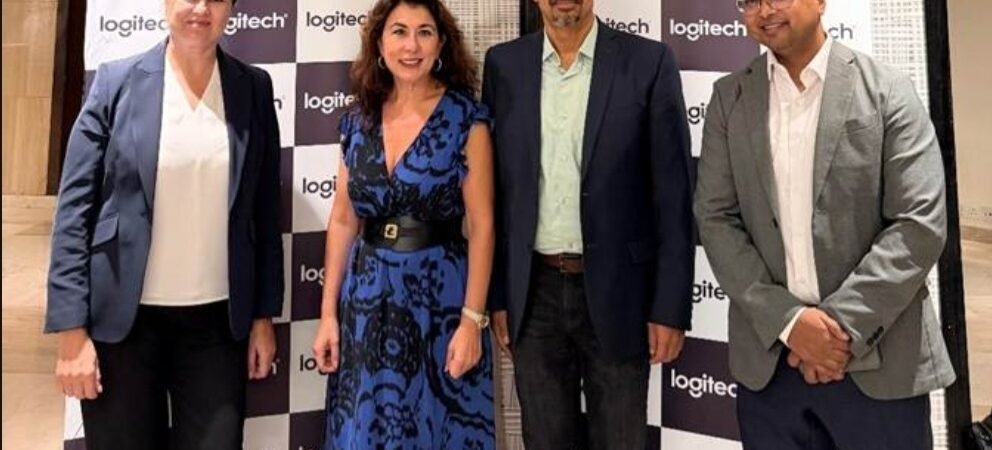
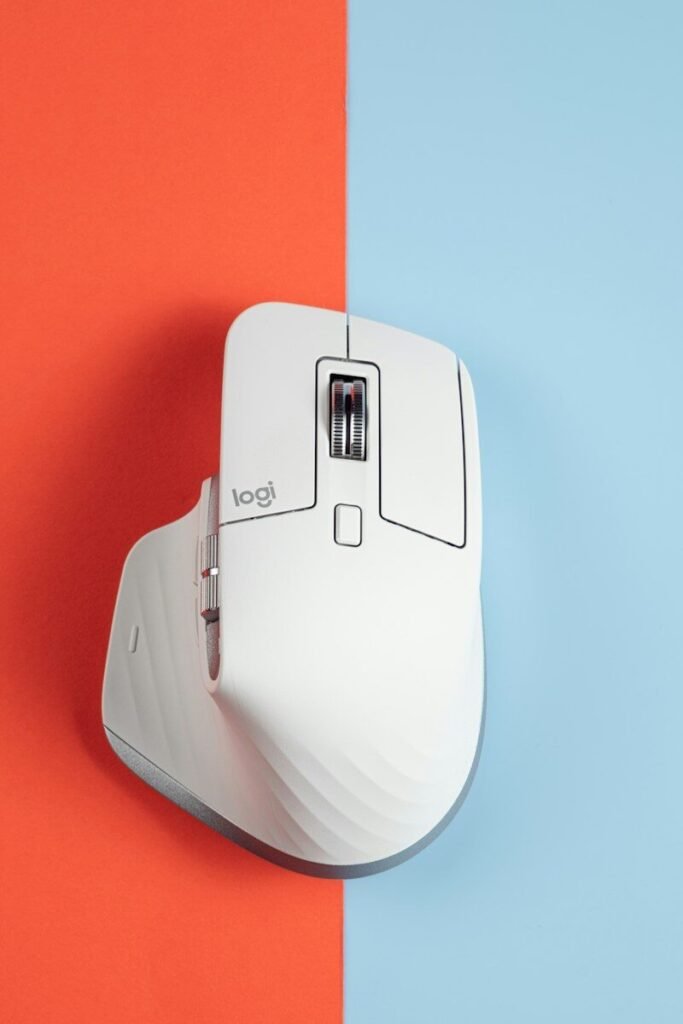
Logitech has begun local manufacturing in India, with production based in Manesar, Haryana, in collaboration with domestic manufacturing partners. The initial scope is narrow: assembly of high-demand workspace products in the webcam and pointing-device categories — webcams and computer mice. The company frames the move around supply-chain agility, shorter turnaround times and alignment with the government’s “Make in India” vision, and it expands an India footprint that already includes channel and marketing operations and a Chennai-based Global Capability Center.
The announcement came with no investment figure, production volume, named partner or timeline. That thin disclosure matters, because it defines the size of the news: this is a localisation of assembly rather than the opening of a Logitech-owned factory, and it covers two peripheral categories rather than the laptops and desktops at the centre of India’s hardware ambitions.
A reversal
What makes it more interesting than the headline is that it contradicts Logitech’s own assessment from a year earlier. In mid-2025, the company’s emerging-markets head said the viability of local peripheral manufacturing depended on a functioning component ecosystem, that India lacked one, and that the resulting need to import components limited local value addition. Logitech had not, at that point, identified a model capable of supporting localised production, and said it had no immediate manufacturing plans in the country. Its production, he noted, was largely in China, with additional manufacturing in Vietnam and Mexico.
Eighteen months later, that position has changed. The reasons are not stated in the release, but the surrounding ecosystem has moved. India’s production-linked incentive scheme for IT hardware, notified in May 2023 with a ₹17,000-crore outlay, has drawn global brands and domestic contract manufacturers into local assembly; made-in-India laptops have climbed from under 5% of domestic sales in early 2024 to nearly 30% by 2026. A functioning cluster has formed, and it sits partly in the same place Logitech has chosen: Manesar, where the contract manufacturer VVDN assembles laptops for Asus, and near Gurugram, where Syrma SGS works with MSI.
The ecosystem behind it
That cluster is the real story. When a brand of Logitech’s scale concludes that it can assemble locally, it is responding to a supply chain that has become dense enough to serve it — suppliers, logistics and skilled labour within reach of one another. For a peripheral maker the calculation differs from a laptop brand’s, because peripherals depend on their own component base, but the direction is the same.
It is worth being precise about the policy context. Peripherals such as webcams and mice are not among the target segments of the PLI 2.0 scheme, which covers laptops, tablets, all-in-one PCs, servers and ultra-small form factor devices. So Logitech’s Make in India move is not, on the face of it, a PLI play; it is a supply-chain and market decision, made in a country where the company says it is a fast-growing market and where its Chennai centre already develops software and design.
Logitech also links the move to sustainability, arguing that producing closer to where products are sold shortens supply-chain distances and reduces freight emissions, and to local employment in plant management, quality engineering and logistics. Those are plausible benefits, but the company’s framing rather than measured outcomes.
What to watch
Three things will show how much this matters. First, whether Logitech names its domestic partner and publishes investment and volume figures, which would let the scale be judged. Second, whether it moves beyond assembly to local sourcing of components — the step its supply-chain chief has called the logical next one, and the step that would address the ecosystem gap the company cited in 2025. Third, whether the Manesar operation becomes a template for other peripheral brands under Make in India, or stays a single-company move.
What the announcement does and doesn’t establish
It establishes that Logitech has started local assembly in Manesar with domestic partners, that the initial scope is webcams and pointing devices, and that the move expands its existing India operations. It does not establish the size of the investment, the production volume, the identity of the partner, a timeline for expansion, or any commitment to local component sourcing.
The honest summary is that Logitech has joined the Make in India shift that has been building for several years, and done so in a modest way — assembly of peripherals, with an unnamed partner, in a cluster that already serves larger brands. The most newsworthy element is not the product categories but the reversal: a company that a year ago judged India’s component ecosystem too thin to support localised production has now decided it is thick enough to try. Whether that judgment holds will depend on the harder step it has not yet taken — sourcing components locally, not just assembling imported ones.
Editor’s Note: This article draws on the Logitech release, independent press coverage of the announcement, and public reporting on India’s IT-hardware manufacturing scheme and the Manesar cluster. The localisation and its scope are as per description by the company; no investment, volume, partner or timeline was there. The policy details are from government and independent sources.