Latest posts
-
Workday and Anthropic link Sana and Claude

Workday and Anthropic have linked Sana agents and Claude via MCP. We explain the agentic AI governance model, the platform play and what stays unproven.
-
AI adoption: Beyondsoft and IMDA’s Tech Bridge
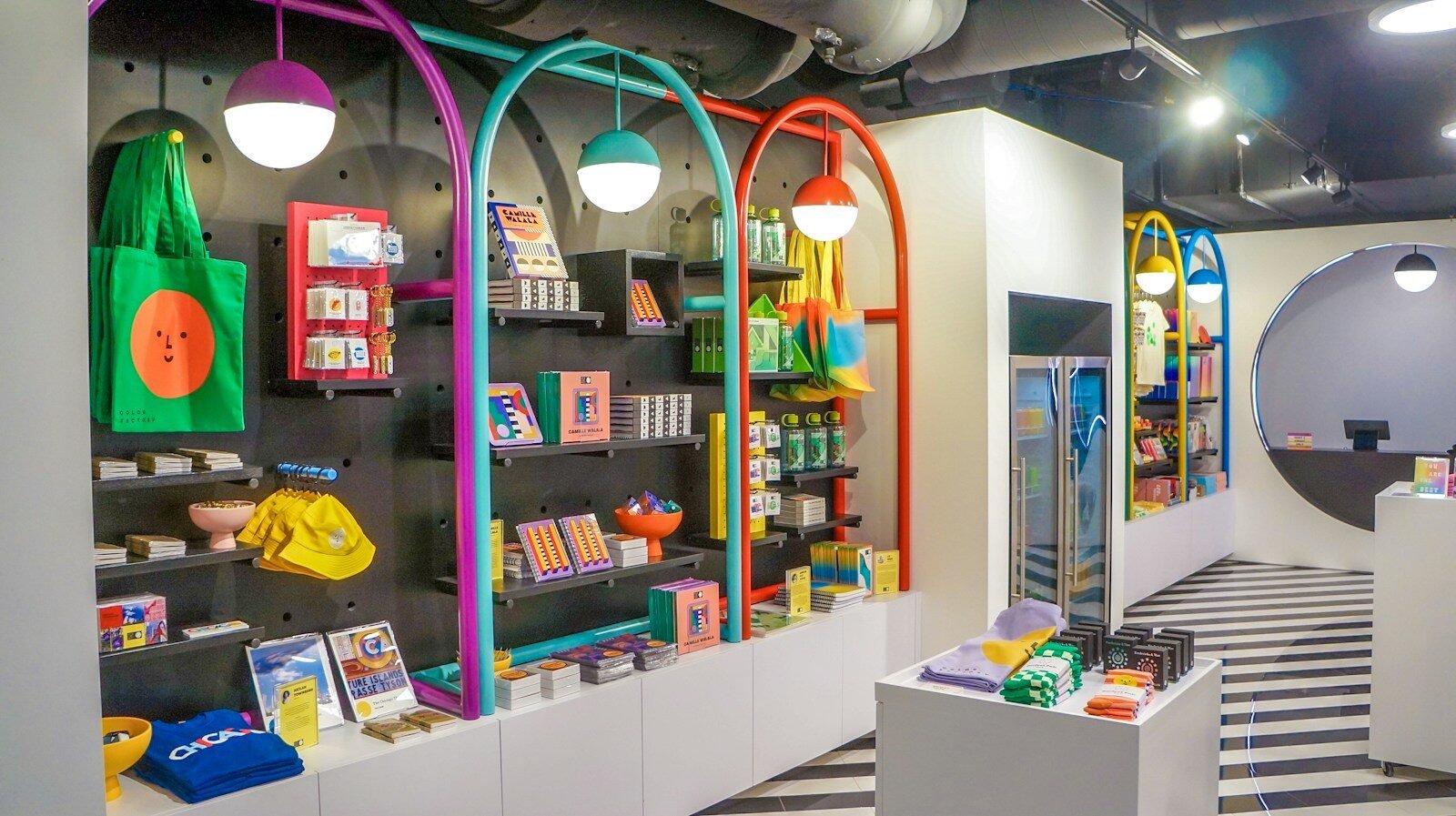
Beyondsoft and IMDA have launched Tech Bridge to boost AI adoption among Singapore SMEs. We explain the cross-border model, the guardrails and what stays unproven.
-
Workforce intelligence: YYForce launches Yolara AI

YYForce has launched Yolara AI, a workforce intelligence platform for frontline teams in Singapore. We explain the voice agent, the compliance angle and what stays unproven.
-
Global Capability Centre: InvoiceCloud’s Hyderabad push

InvoiceCloud is investing INR 350 crore in its Hyderabad Global Capability Centre. We explain the plan, the AI-productivity claim and the wider GCC shift.
-
Cybersecurity acquisition: Proofpoint buys Varonis for $6.3bn
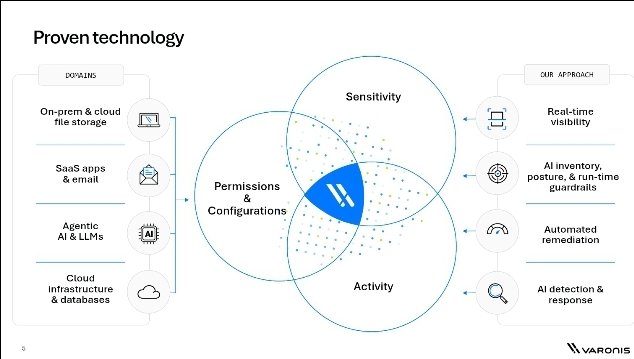
Proofpoint is buying Varonis for $6.3bn, the largest cybersecurity acquisition of an AI-driven wave. We explain the logic, the terms and the caveats.
-
AI penetration testing: ThreatBook launches RedAgents

ThreatBook has launched RedAgents, an AI penetration testing aggregator that runs multiple agents at once. We explain the thesis, the dual-use risk and what remains unverified.
-
Power transmission: India’s grid build-out lags demand
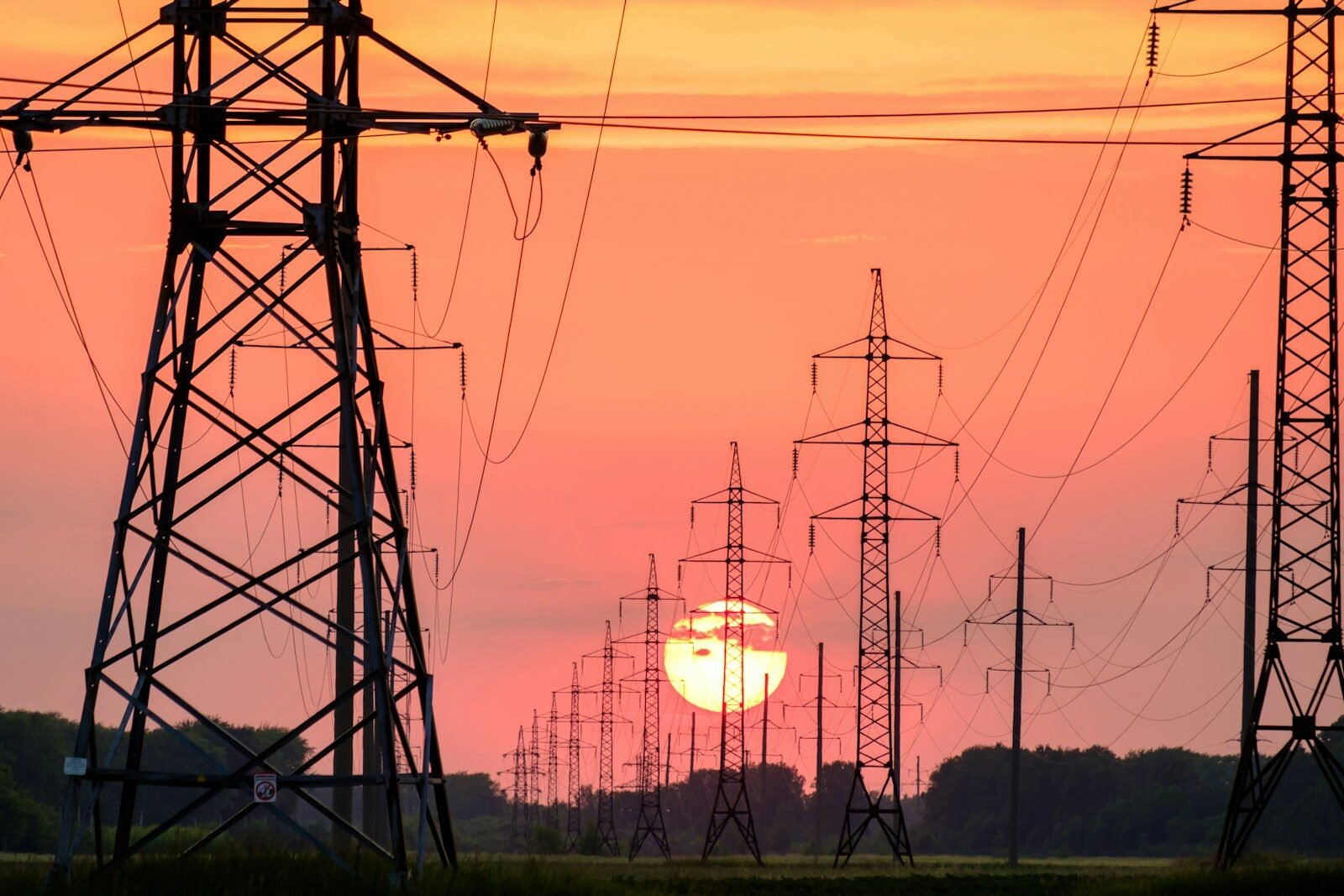
A PPF and Orange Circle Energy dialogue centred on power transmission. We explain India’s grid build-out gap, the curtailment it causes, and what remains unaddressed.
-
AI data centres: Colt DCS and RMZ build Mumbai 3

Colt DCS and RMZ have started construction on a 64MW AI-ready facility in Navi Mumbai. We explain the liquid-cooling shift, India’s data-centre boom and what remains unverified.
-
Zero-day vulnerabilities: 98 found at Pwn2Own Ireland

Pwn2Own Ireland paid out $1.26m for 98 zero-day vulnerabilities, with AI infrastructure and coding agents now on the target list. We examine the trust-boundary failures behind them.
-
Women in tech: 47% report gender discrimination
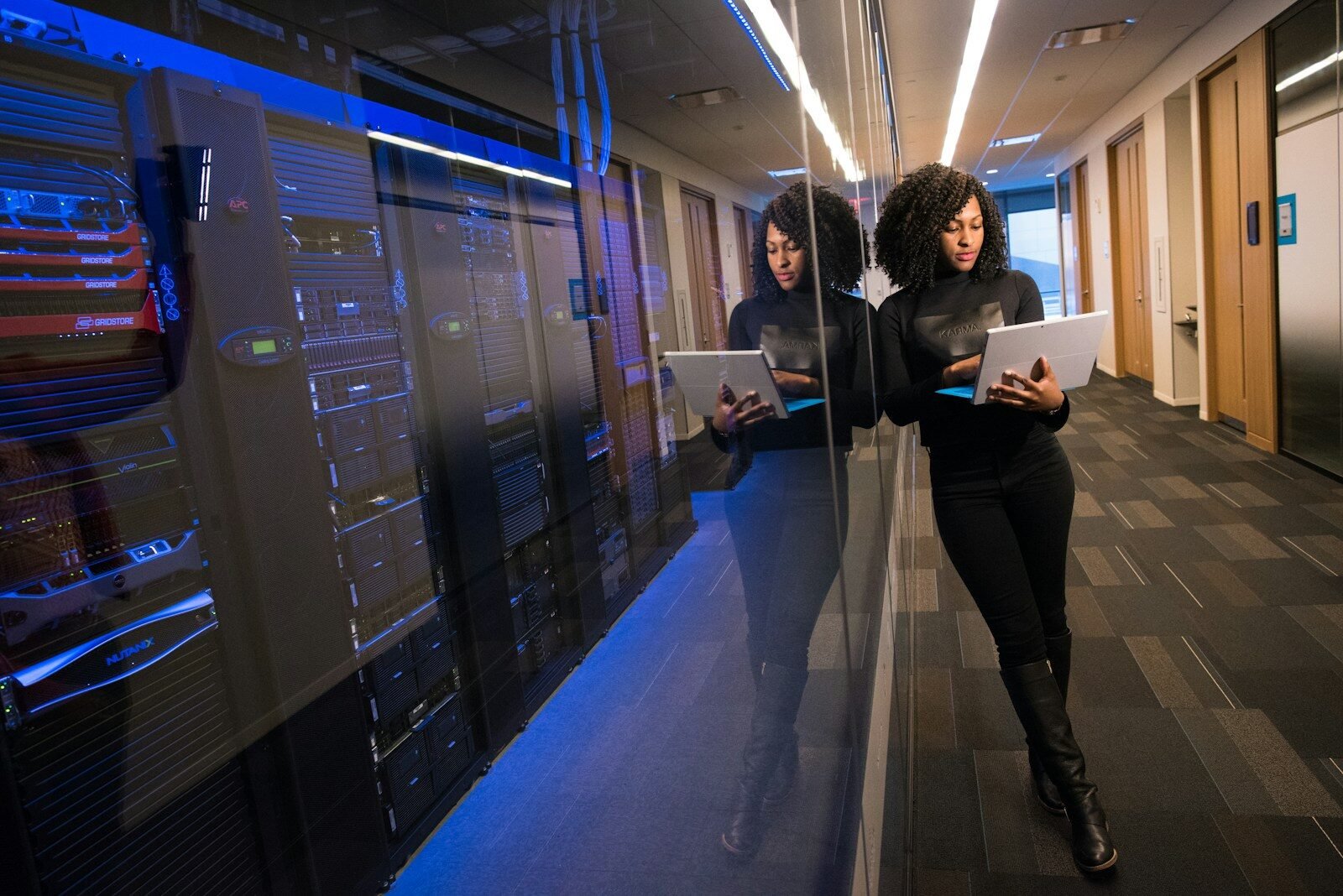
An ISACA survey finds gender-discrimination reports among women in tech rose to 47% from 42%. We examine the authority gap, burnout, retention and India’s leaky pipeline.