
Rank Math, a WordPress SEO plugin with more than four million installs, predicts that AI visibility will become a standard SEO metric in 2027. The prediction rests on two real developments: Google’s new AI performance reports in Search Console, and rising chatbot use for search. Rank Math is also selling a feature that tracks it. The trend is genuine. Its claim that it becomes “standard” next year is a vendor’s bet.
What Rank Math is predicting
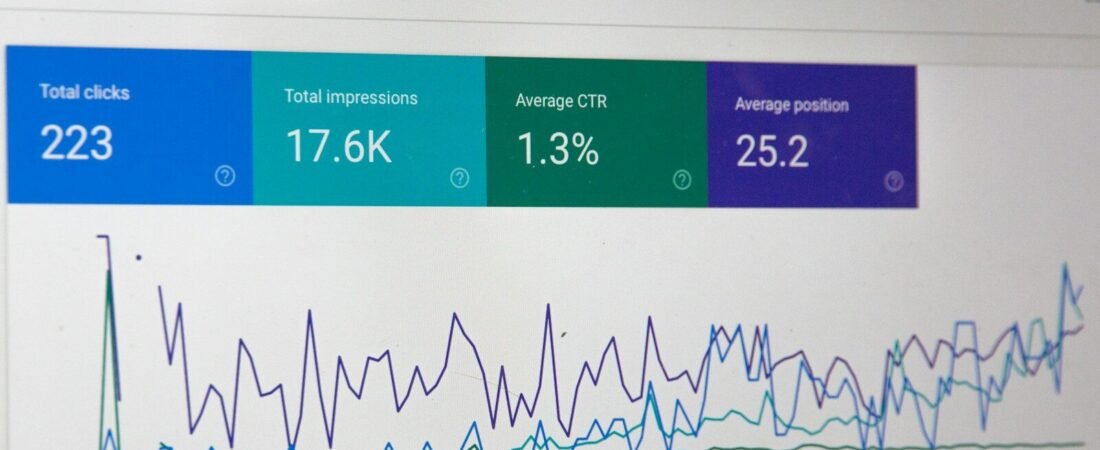
The company expects SEO reports to add a new layer: whether a brand is mentioned, cited or recommended inside AI-generated answers, alongside rankings, clicks and traffic. Its chief operating officer, Uzair Nazeer, says rankings and traffic “are no longer the complete picture.”
Rank Math’s AI Visibility feature already tracks brand mentions, citations, sentiment and position within AI answers on ChatGPT and Gemini. It also shows which competitors appear for the same queries.
The two facts underneath the prediction
The forecast is not invented. Google introduced generative AI performance reports in Search Console in June 2026 and completed the worldwide rollout on 31 August. The reports cover AI Overviews, AI Mode and generative features in Discover.
Consumer behaviour supports the direction. A Pew Research Center survey found that 42% of U.S. adults use AI chatbots to search for information, making it the most common reported use of the tools.
But the measurement is still incomplete
Google’s AI reports show impressions only. They do not include click data. A site can see that its pages appeared in an AI answer, but not whether anyone clicked through.
That gap matters for anyone calling AI visibility a “standard metric.” The UK’s competition regulator has told Google to add page-level controls by March 2027 and expects click-through data. Until that arrives, AI visibility is a directional signal rather than a performance metric.
AI visibility is already a crowded, paid category
Rank Math is not first. AI visibility tools, often called GEO or AEO platforms, are a fast-growing layer. Profound, Peec AI, Scrunch AI, Otterly.ai, Ahrefs Brand Radar and Semrush’s AI Visibility Toolkit all compete.
In 2026 the category shifted from free betas to paid products. Ahrefs’ Brand Radar began free and now runs as a paid add-on. Rank Math’s edge is placement: tracking inside the WordPress dashboard, at a lower price than the enterprise tools.
Mentions are not citations
The tools draw a distinction the release blurs. A mention is a brand name appearing in the answer text, with no link and no measurable traffic. A citation is a page from your site appearing in the answer’s sources, clickable and measurable. The two can occur independently.
Measuring visibility is also not the same as producing it. A dashboard shows the gap. Content and third-party coverage close it.
What to watch
Whether Google adds click data and page-level controls, which would turn AI visibility into a real performance metric rather than a directional one. Whether the SEO incumbents or the AI-native tools win the category. And whether “standard in 2027” proves to be a forecast or a marketing line.

Editor’s Note
This analysis draws on Rank Math‘s release and its AI Visibility documentation, Google’s Search Console generative AI performance report documentation and Search Central blog, Pew Research Center’s June 2026 survey on Americans and AI chatbots, Search Engine Land’s coverage of Rank Math AI, and independent comparisons of AI visibility platforms including Profound, Peec AI, Scrunch AI, Ahrefs Brand Radar and Semrush. Where a figure is a company’s own or an estimate, we say so.