Latest posts
-
AI revenue: Infosys’ 29% jump and the guidance cut

Infosys’ AI revenue hit 10.5% of the total and grew 29% sequentially — yet the company cut its guidance. We explain the milestone, the metric’s limits and the AI deflation behind it.
-
LLM inference: inside ReadyServer’s shared-capacity API

ReadyServer’s shared LLM inference API has tight limits and a best-effort SLA. We report the queue, data-handling and model details the company disclosed.
-
Unified Context Layer: Zoom’s Bet That Context Beats Models

Zoom is betting that whoever holds the highest-fidelity conversation context wins, even if the models above it are interchangeable. The governance announcements explain why.
-
Supermicro All-CPU Rack and the Shift to Execution Capacity
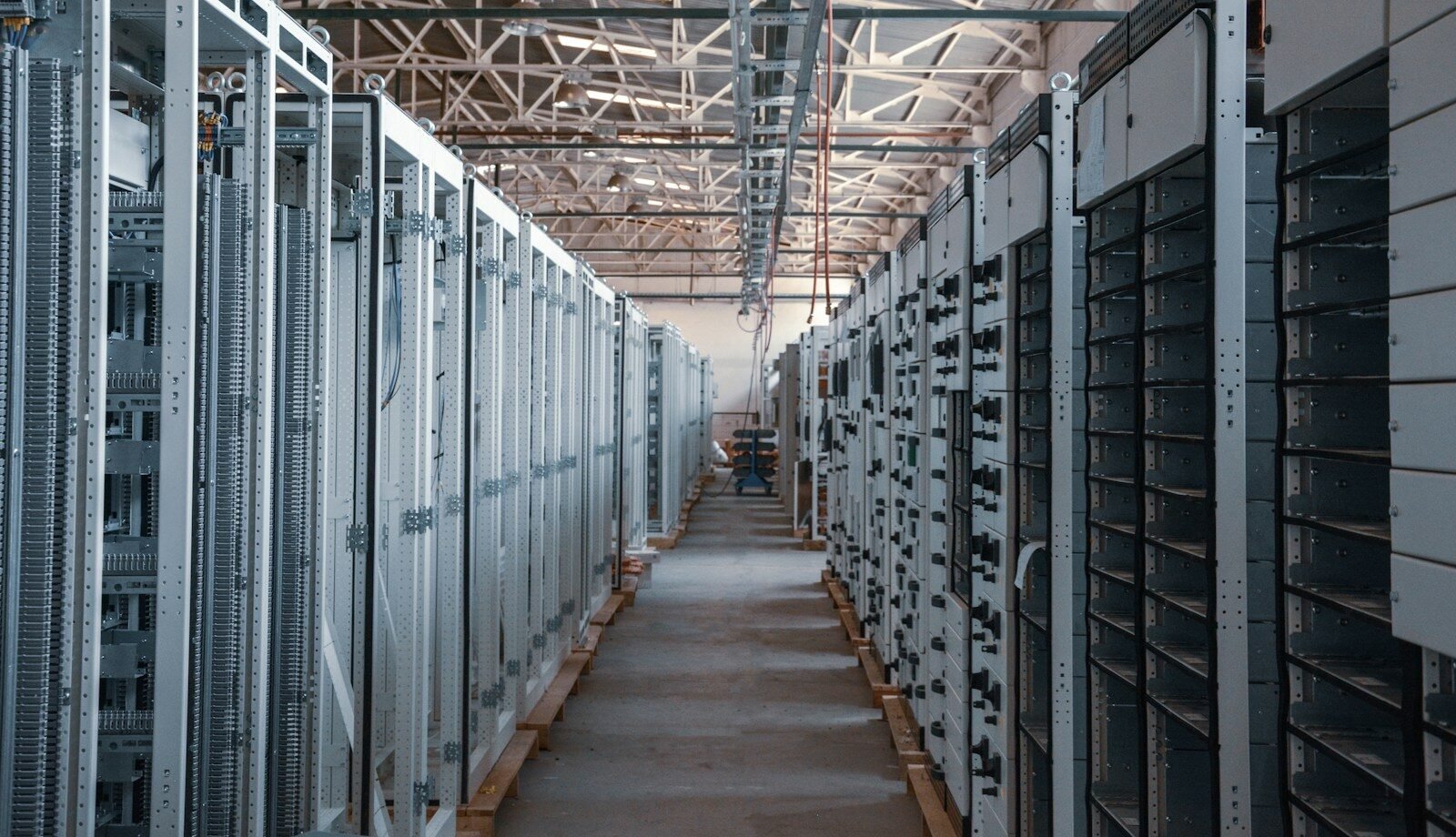
A rack with no GPUs, built for the CPU side of agent workloads. It also carries two quieter shifts: 800-volt DC power and agent governance in silicon.
-
Grok Build: Tech Mahindra Brings SpaceX’s Coding Agent to Enterprise
India’s fifth-largest IT services firm is putting a coding agent into enterprise modernisation. Independent studies say the productivity gain is a modest percentage, not a multiple.
-
AI Governance in Banking: Most Banks Expect AI to Decide, Few Are Ready

Banks have adopted AI almost universally and mostly lack the governance to support the decisions it makes. Regulators have already written the requirements.
-
Nemotron: TrendAI Runs NVIDIA’s Open Models in Your Perimeter
TrendAI brings open-weight models inside the customer’s perimeter for AI-driven security. Sovereignty is a spectrum, and this buys control of operations, not of the stack.
-
Fusion Claw: Oracle Puts Agentic AI to Work in HR
Oracle has built the most carefully governed agentic runtime among the big application vendors. In HR, the open question is whether an approval is real or a formality.
-
AI-RAN: Supermicro, Nokia and NVIDIA Push Compute to the Network Edge
Supermicro, Nokia and NVIDIA bring AI-RAN hardware from the cell site to the core. Operators have measured the efficiency gains; the edge-services revenue is still unproven.
-
AI Factory Approach: Modelled, Not Measured
Vertiv and NVIDIA promise up to 30 per cent more token output by building AI factories faster. The numbers are models, and a competitor has already published measured data.