Latest posts
-
Cybersecurity acquisition: Proofpoint buys Varonis for $6.3bn
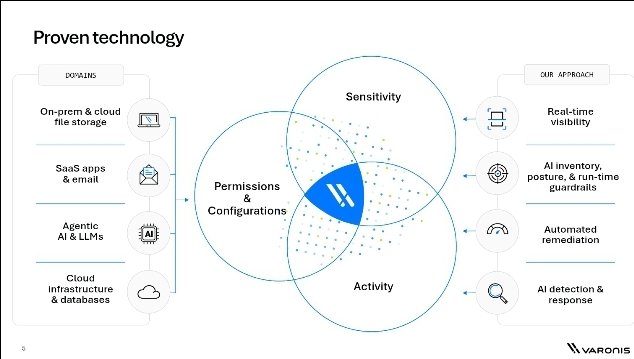
Proofpoint is buying Varonis for $6.3bn, the largest cybersecurity acquisition of an AI-driven wave. We explain the logic, the terms and the caveats.
-
AI penetration testing: ThreatBook launches RedAgents

ThreatBook has launched RedAgents, an AI penetration testing aggregator that runs multiple agents at once. We explain the thesis, the dual-use risk and what remains unverified.
-
Product authentication: Motul’s track-and-trace push

Motul has rolled out an enhanced product authentication system across Asia Pacific. We explain the QR label, the counterfeit-lubricants problem and what remains unverified.
-
Power transmission: India’s grid build-out lags demand
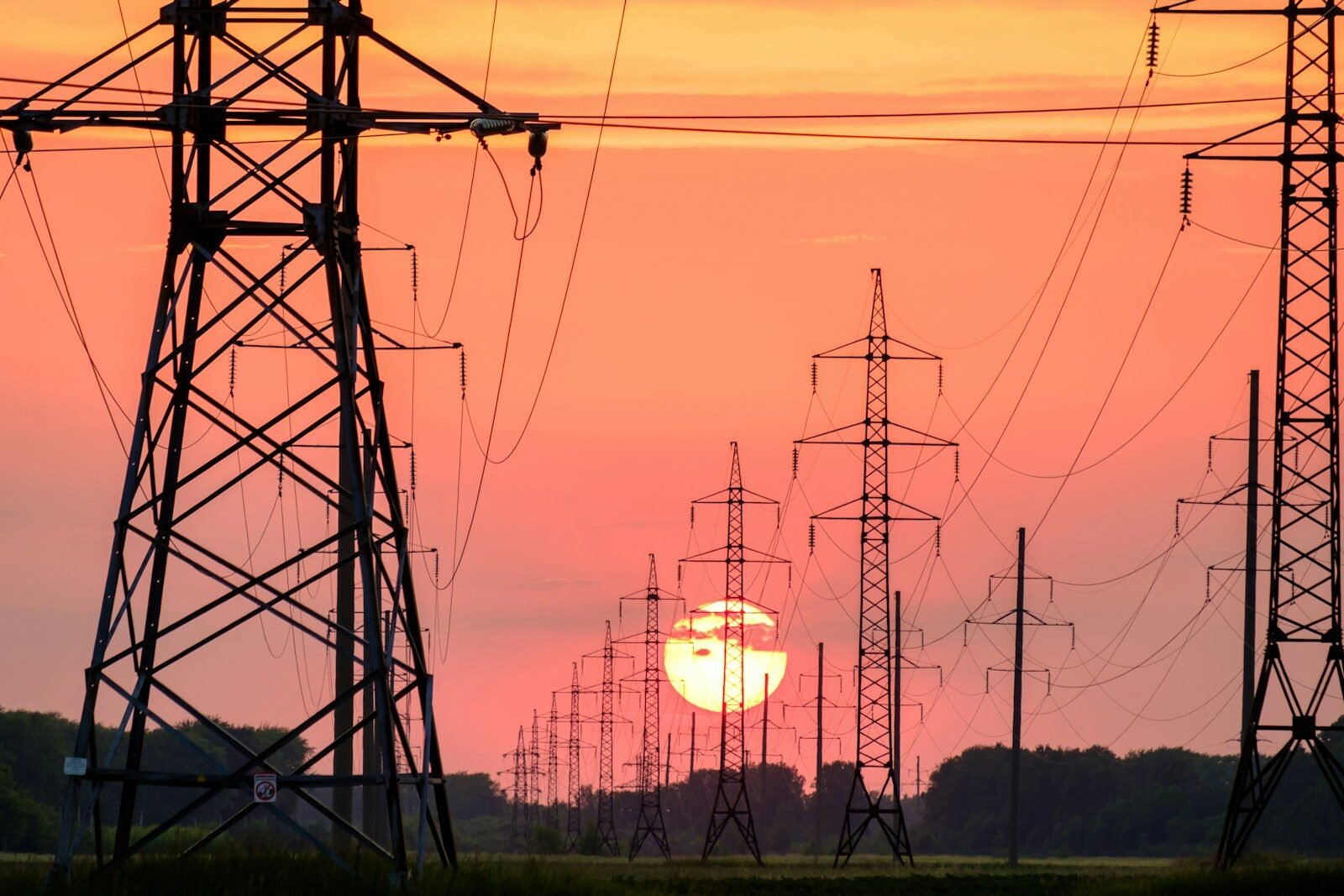
A PPF and Orange Circle Energy dialogue centred on power transmission. We explain India’s grid build-out gap, the curtailment it causes, and what remains unaddressed.
-
Crypto payments: Mesh powers Tokenstore checkout

Mesh and Tokenstore have partnered to bring crypto and stablecoin checkout to digital goods. We explain the orchestration model, why the segment fits, and what remains unverified.
-
AI data centres: Colt DCS and RMZ build Mumbai 3

Colt DCS and RMZ have started construction on a 64MW AI-ready facility in Navi Mumbai. We explain the liquid-cooling shift, India’s data-centre boom and what remains unverified.
-
Evidence-based policy: India–France dialogue on scaling

A New Delhi dialogue convened by J-PAL, FID and AFD centred on evidence-based policy, with a new partnership to scale the Graduation Approach. We explain how the model works.
-
Make in India: Logitech starts local manufacturing

Logitech has started assembling webcams and mice in Manesar. We explain the reversal behind it, the ecosystem that changed the calculus, and what remains undisclosed.
-
Zero-day vulnerabilities: 98 found at Pwn2Own Ireland

Pwn2Own Ireland paid out $1.26m for 98 zero-day vulnerabilities, with AI infrastructure and coding agents now on the target list. We examine the trust-boundary failures behind them.
-
Women in tech: 47% report gender discrimination

An ISACA survey finds gender-discrimination reports among women in tech rose to 47% from 42%. We examine the authority gap, burnout, retention and India’s leaky pipeline.