
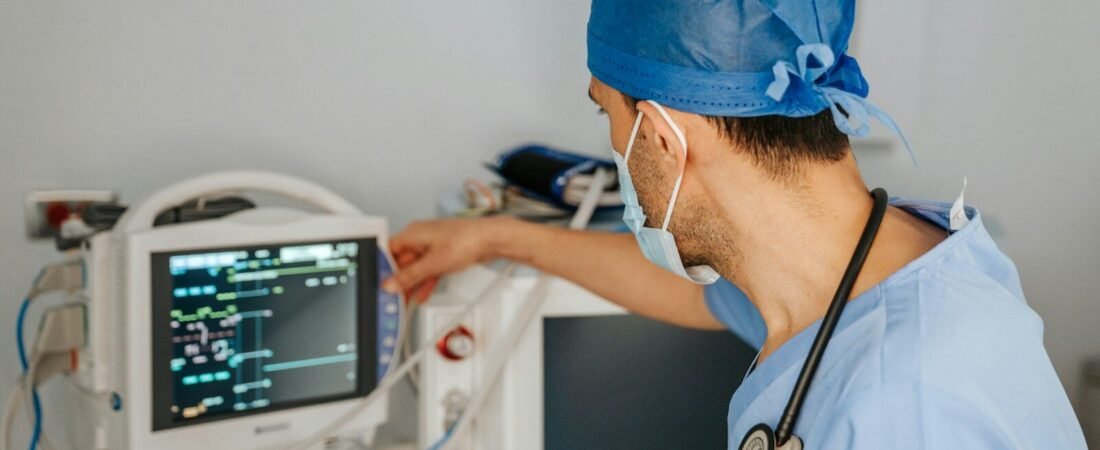
Rosti at Medical Fair Asia: A Capabilities Pitch With the Real News Left Out
Rosti Group, a Swedish precision injection moulder, used Medical Fair Asia 2026 in Singapore to pitch its medical-device manufacturing credentials to Southeast Asian buyers. The release is an interview recap: cleanrooms, 72-hour prototypes, four pillars of service. It contains not a single new contract, facility, product or investment. The company’s own Asia review, published months earlier, contains more news than the entire release. Here is what the announcement says, what the record shows, and what nobody asked.
What the Rosti Announcement Says
Vice President-Sales Asia Melvin Tan walked visitors through the group’s medical capabilities at the fair, held 9-11 September at Marina Bay Sands.
The pitch
Four pillars carry the presentation: customer centricity, global footprint, operational excellence and willingness to invest. Tan emphasises co-development “from concept to reality” — case design, prototyping, 3D printing, and samples turned around within 72 hours. ISO Class 8 cleanrooms support production under medical-grade process controls, with documentation from design through material control and traceability to production.
The market framing
The release credits Southeast Asia’s medical manufacturing growth to rising purchasing power, production technology advances and favourable government incentives. Supply chain resilience gets its own paragraph. Sustainability gets one: a claimed 44% cut in greenhouse gas emissions since 2023, with a target of halving emissions by 2030.
The Company Behind the Rosti Pitch
Rosti is an 82-year-old contract manufacturer, founded in 1944 and headquartered in Malmö, Sweden. Its 2025 sustainability report lists about 2,500 employees and roughly €400 million in turnover. The release says 2,700 employees across thirteen facilities — the small discrepancy is unexplained, and the firmer audited-ish number is the report’s. Nordstjernan, a Swedish family-controlled investment company, has owned the group since 2010.
What the group actually makes
Precision injection moulding is the core, serving packaging, consumer appliances, business machines, automotive and medical. Production spans Sweden, Germany, Poland, Romania, the UK, Turkey, China, Malaysia, India and the US. A US entry came through the acquisition of Plastic Components Inc. The medical business is the strategic priority the tradeshow pitch is built around.
The Asia Expansion the Release Doesn’t Mention
The genuinely newsworthy facts sit in the company’s own Asia 2025 review, not in the Medical Fair Asia release. None of them appear in it.
The growth that was left offstage
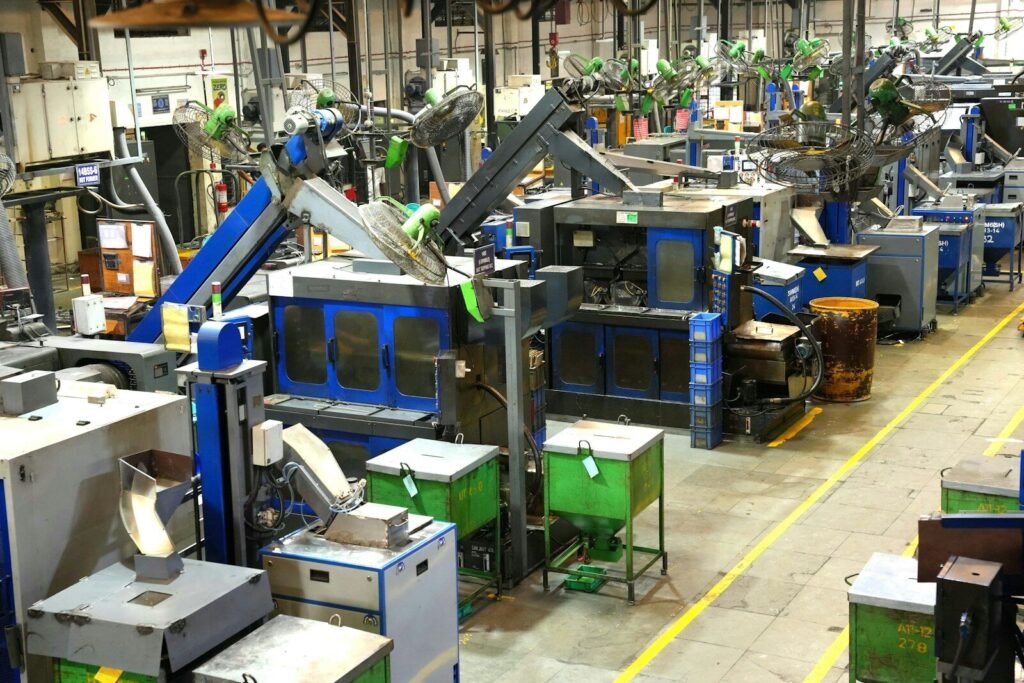
China operations saw significant medical-sector growth. The group has committed a multimillion-dollar cleanroom expansion and equipment upgrades at Suzhou, its largest Asian site. Suzhou houses the innovation centre and performs full contract manufacturing.
Malaysia met its profit and sales targets. A new manufacturing facility in India moved into recruitment and production-line preparation, with small-scale mass production planned from early 2026. A new Vietnam site is in the planning stage to broaden the Southeast Asian footprint.
Why the omission matters
Yet the release, built on “supply chain resilience” and a “global footprint”, never mentions that the same footprint is being extended into India and Vietnam. Those are two of the hottest destinations in the China+1 shift. The strongest capability story the company owns right now is the one it did not tell.
The Southeast Asian Boom Behind the Rosti Pitch
The venue is doing more work than the vendor. Medical Fair Asia 2026, its 16th edition, ran alongside the 7th Medical Manufacturing Asia and the inaugural RehaCare Asia. Organiser Messe Düsseldorf Asia and industry press reported more than 1,000 exhibitors from 40 countries across the three co-located shows. More than 10,000 products, over 14,000 expected trade visitors and 17 national pavilions complete the picture.
The region’s hospital build-outs, ageing populations and localisation mandates are drawing exactly the contract manufacturers the group serves. Asia’s medical contract manufacturing demand is the tide lifting every exhibitor’s pitch, this one included.
New vs Repackaged: What the Release Delivers
New — nothing measurable. No contract wins, no product launches, no capacity figures beyond existing capabilities, no investment numbers.
Repackaged — everything. Cleanrooms, 72-hour prototyping, four pillars and value-chain partnership are standing corporate messaging, restated for a regional audience.
Missing — the actual news. The India plant, the Vietnam plan and the Suzhou cleanroom expansion all predate the fair and outclass it in substance. A recap that omits them is marketing, not reporting.
The Questions the Press Release Doesn’t Answer
How much medical business does Rosti actually have? No revenue split by sector appears anywhere in the release — medical is a strategic priority without a number.
What does the 44% emissions cut measure? Scope and baseline are unstated, and the claim arrives without a link to the sustainability report that would substantiate it.
How do the employee counts reconcile? 2,700 in the release versus roughly 2,500 in the 2025 report. Which is current, and what does the delta mean?
What is the Vietnam timeline? A site described as “in planning” gets no dates, scale or capabilities. For a resilience-pitched release, that is the elephant in the cleanroom.
What does China+1 mean for Suzhou? The largest Asian site is in China, the country buyers are diversifying away from. Rosti is both deepening Suzhou and adding India and Vietnam — the strategy is sensible, and entirely unexplained.
Who are the customers? “Leading manufacturers” and unnamed partnerships appear throughout. Not one medical customer is named.
What This Means for You
If you source medical devices or components in Asia, the release confirms a supply base consolidating around integrated, cleanroom-capable contract manufacturers with multi-country footprints. The India and Vietnam moves matter more to your sourcing map than anything said at the booth.
If you compete in contract manufacturing, note the pattern: differentiation now runs through regional footprint and regulatory depth, not moulding capability alone. The players winning medical work are the ones who can produce in three geographies at once.
If you watch the China+1 story, this is a clean case study. A European-owned manufacturer is expanding cleanroom capacity in Suzhou while simultaneously opening India and Vietnam capacity — hedging, not decamping. The supply chain is not leaving China; it is being duplicated around it.
Editor’s Note
This article draws on the Ringiertrade-distributed release of 17-18 September 2026 (Melvin Tan interview, Medical Fair Asia participation, capability descriptions, sustainability claim, corporate facts as stated).
Verified from public sources: the group’s founding, headquarters, ownership by Nordstjernan since 2010, employee count and turnover come from its 2025 sustainability report and company pages. The site network and US acquisition come from company materials. The Asia expansion details — Suzhou cleanroom investment, India facility timeline, Vietnam planning — come from the company’s Asia 2025 review. Medical Fair Asia scale figures come from the organiser’s materials and BioSpectrum Asia coverage.
Company-reported and unverified: the 44% emissions-reduction claim (scope and baseline unstated), the 2,700-employee figure, the 72-hour sample turnaround, and any unnamed customer relationships. The employee discrepancy between the release and the sustainability report is unresolved in public sources.